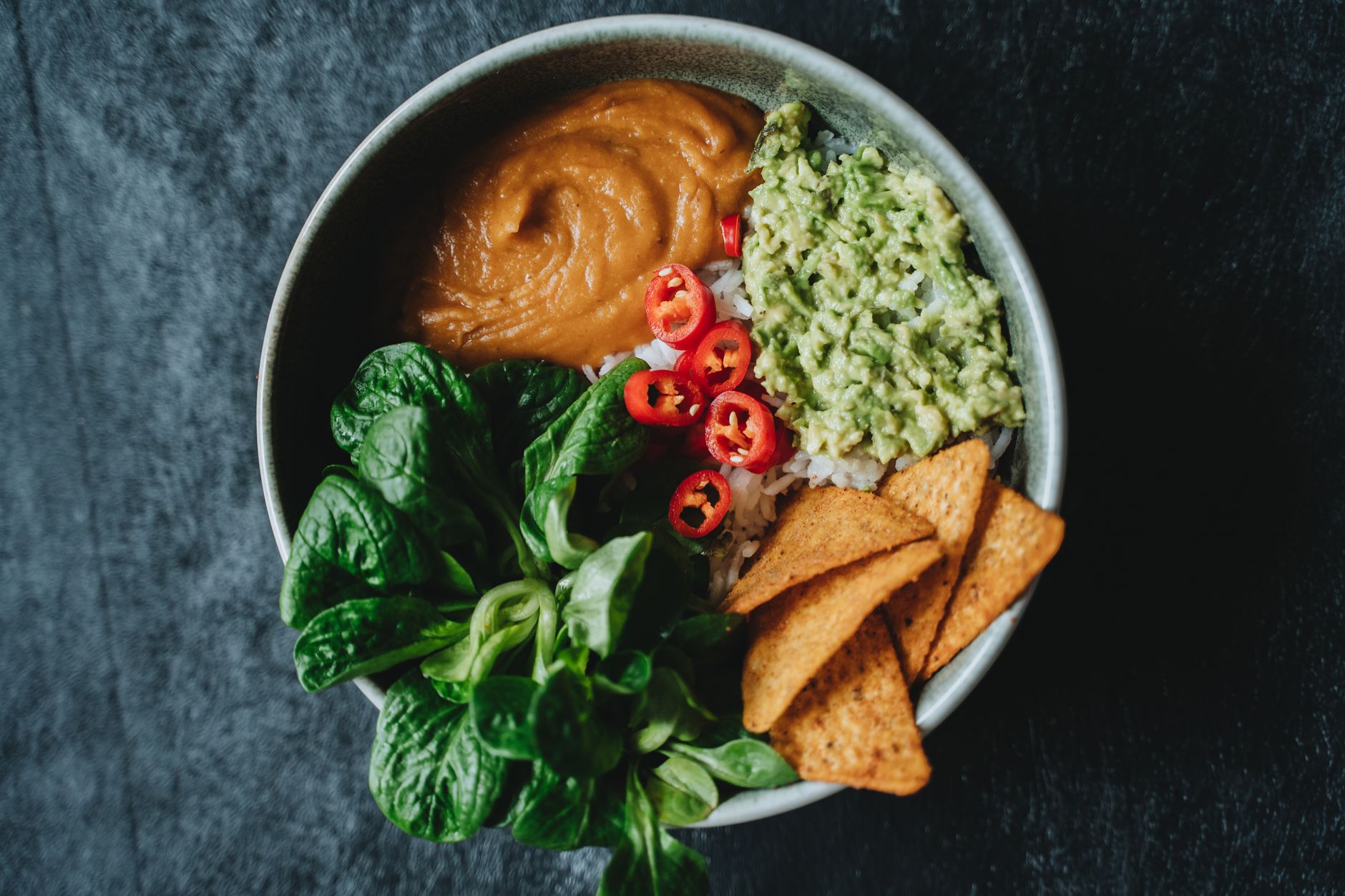
For a better no-cook salad, dry the ingredients, cut them into bite-size pieces, and add dressing gradually. Toss gently, taste, and adjust the salt or acidity before serving. A no-cook salad is any mixture assembled without heat, from leafy greens to bean, grain, or tomato salads. Good results depend less on a recipe than on controlling moisture, texture, seasoning, and timing.
Table of Contents
- Remove excess moisture
- Cut for balanced bites
- Build dressing that stays balanced
- Toss in the right order
- Match timing to the salad
Remove excess moisture
Water left on washed greens dilutes dressing and keeps oil from coating the leaves. Use a salad spinner or pat the greens dry with a clean towel.
Drain canned beans, corn, olives, and pickled vegetables thoroughly. Remove watery tomato seeds only when they would make the finished salad soupy; ripe tomato flesh still adds useful flavor and juice.
Cut for balanced bites
Cut ingredients so several flavors can fit on one fork. Large tomato wedges suit a simple tomato salad, but smaller pieces work better when mixed with beans, cucumber, cheese, or herbs.
Vary texture without making the salad difficult to eat. Pair crisp cucumber or cabbage with creamy avocado, soft cheese, or beans. Slice dense raw vegetables, such as carrots, fennel, and radishes, thinly so they remain easy to chew.
Build dressing that stays balanced
Most dressings need fat, acidity, and seasoning. Oil carries flavor, while lemon juice or vinegar provides brightness; salt makes both more noticeable. Start with roughly three parts oil to one part acid, then adjust for the ingredients.
📨 Get Free Recipes Alerts
Free · No spam · Unsubscribe anytime
Sweet tomatoes may welcome more acid, while sharp pickles, olives, or feta may require less acid and salt. Add dressing in small amounts. You can always add more, but removing excess dressing usually means adding more undressed ingredients.
Toss in the right order
Sturdy ingredients can handle early seasoning, while delicate leaves wilt quickly. Use this order for consistent results: Use clean hands or two large spoons to lift the salad from the bottom rather than stirring it forcefully. This distributes dressing without crushing tender ingredients.
- Season beans, grains, cabbage, or chopped vegetables first.
- Add enough dressing to coat them lightly.
- Fold in leafy greens, avocado, soft cheese, and fresh herbs last.
- Taste one bite containing several ingredients before making adjustments.
Match timing to the salad
Dress leafy salads immediately before serving because salt and acid draw out water and soften the leaves. Keep greens and dressing separate when packing lunch or preparing several hours ahead.
Bean, lentil, cabbage, and sturdy grain salads often benefit from a short rest because their ingredients absorb seasoning slowly. Add crunchy toppings, avocado, and delicate herbs just before eating so they keep their texture and color.
You Might Also Like
- 1-Minute Recipe Tips: Storage Guide for Opened Hummus and Dips
- 60-Second Recipe Tip: The Stir-Together Technique for Smoother Dips
- 1-Minute Recipe Tip: Meal Prep Hacks for Weekday Yogurt Bowls