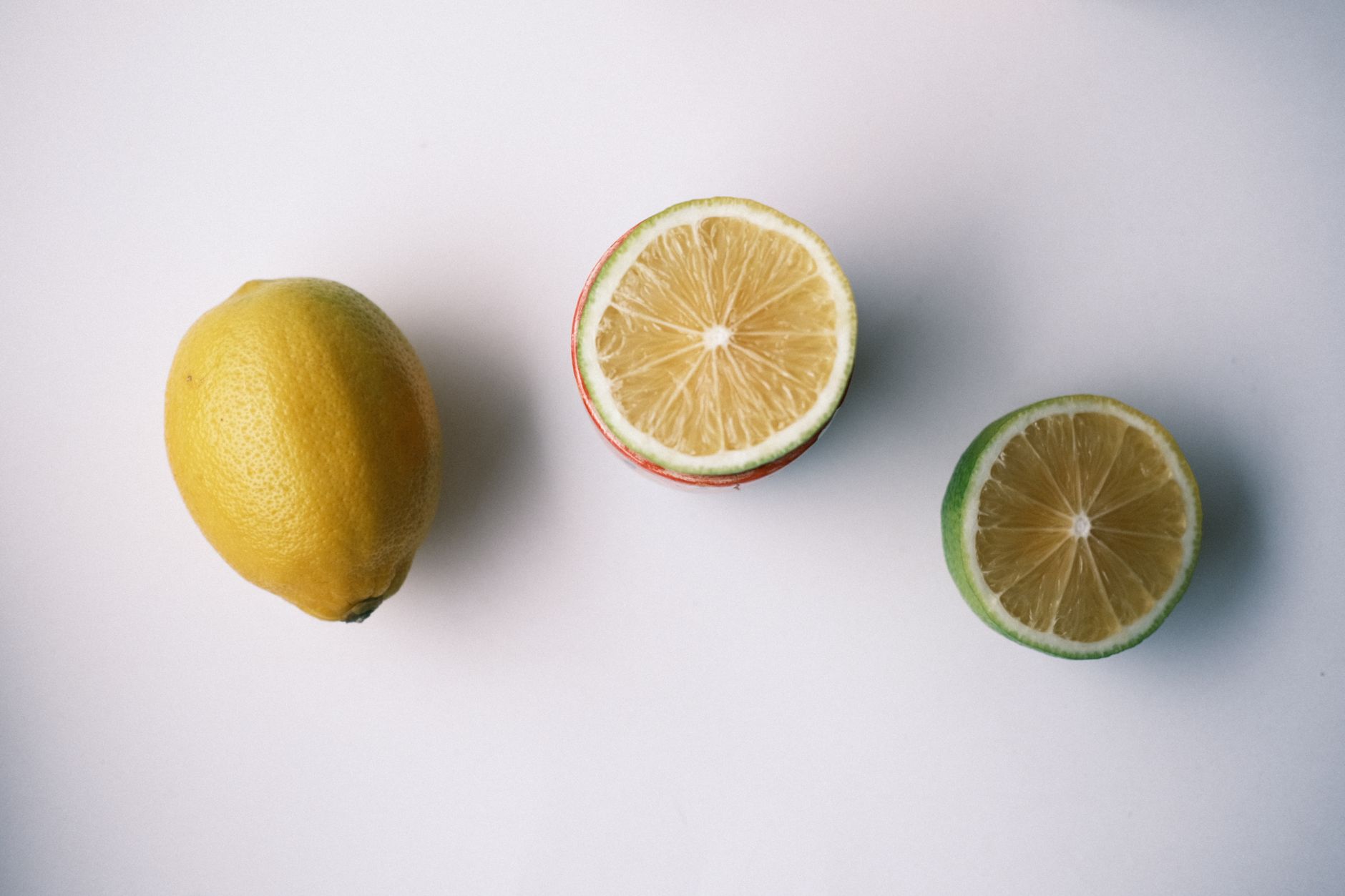
A 60-second lemon Dijon vinaigrette is a creamy, tangy dressing made from lemon juice, Dijon mustard, garlic, and olive oil that comes together in about one minute using a blender, immersion blender, or mason jar. The secret to speed is Dijon mustard, which acts as a natural emulsifier and holds lemon juice and olive oil together, creating a smooth, unified texture without the long whisking or slow oil drizzling that traditional vinaigrettes require. This dressing delivers restaurant-quality results at home without special equipment or extended prep time, making it practical for weeknight meals, salads, marinades, and roasted vegetables. The minimal ingredient list—just five or six items—keeps shopping simple and storage manageable.
Table of Contents
- Why Dijon Mustard Is the Game-Changer
- The Standard Recipe & Ratio
- Three Fast Methods to Reach 60 Seconds
- Hand Whisking If You Prefer the Manual Approach
- Storage & How Long It Lasts
- When to Add Sweetness or Herbs
- Frequently Asked Questions
Why Dijon Mustard Is the Game-Changer
The emulsifying power of Dijon mustard is what makes the 60-second timeline possible. Traditional vinaigrettes fail to hold oil and acid together; they separate because these ingredients are fundamentally incompatible. Dijon mustard bridges that gap by acting as an emulsifier—it coats oil droplets and suspends them in the acidic lemon juice, producing a velvety consistency when blended that's impossible to achieve with acid and oil alone.
This chemical behavior eliminates the need for prolonged whisking or the classical technique of adding oil drop by drop. Without mustard, you'd need to whisk by hand for 30–45 seconds after oil incorporation to achieve a thick, creamy texture. With it, a few seconds of blending does the entire job. This is why Dijon appears in nearly every quick vinaigrette recipe.
The Standard Recipe & Ratio
The foundational formula uses ¼ cup fresh lemon juice combined with ¾ cup extra virgin olive oil, adjusted slightly based on what you're dressing. The complete ingredient list is straightforward: Optional: 1 teaspoon honey or maple syrup for balance, though many versions omit sweetener entirely.
This ratio favors oil over acid, which is standard for vinaigrettes and prevents the dressing from tasting too sharp. Adjust the lemon juice or oil slightly depending on whether you're dressing delicate greens (more acid) or heartier vegetables (more oil).
- ¼ cup fresh lemon juice
- 2 tablespoons Dijon mustard
- 1 clove garlic, minced or chopped
- ¾ cup extra virgin olive oil
- Salt and pepper to taste
Three Fast Methods to Reach 60 Seconds
.
- *Blender method (fastest):** Combine lemon juice, mustard, and garlic in a food processor or blender, add oil, and blend until smooth. This approach completes in 60 seconds or less by blending until ingredients are fully integrated, producing a uniform, emulsified dressing with no effort.
- *Immersion blender method (most controlled):** Pour all ingredients into a tall, narrow container and use an immersion blender held at the bottom. The vortex creates stable emulsification in seconds by pulling oil down gradually, and you can stop as soon as the dressing thickens and unifies—no over-blending risk.
- *Mason jar shake method (no equipment required):** Add all ingredients to a sealed mason jar and shake vigorously. This combines the dressing without requiring a blender or whisking, completing in under 60 seconds with equivalent emulsification. It's the most portable option and works anywhere you have a jar.
Hand Whisking If You Prefer the Manual Approach
If you want to skip electrical tools, hand whisking works—it just takes longer. Combine lemon juice, mustard, and garlic in a bowl, then add oil very slowly while whisking constantly.
Once the oil is incorporated, continue vigorous whisking for 30–45 additional seconds to achieve a thick, creamy, unified texture with no visible oil separation. This method gives you control over texture and lets you stop when the dressing reaches the consistency you want, but it requires about two minutes total rather than one.
Storage & How Long It Lasts
Homemade lemon vinaigrette without herbs keeps safely for 5–7 days in an airtight container at 40°F or below; herb-infused versions last 3–4 days because fresh herbs release moisture and shorten shelf life. Store in a mason jar or any sealed container in the refrigerator.
📨 Get Free Recipes Alerts
Free · No spam · Unsubscribe anytime
The dressing may separate slightly as it sits—this is normal and a quick shake or stir restores it. Make a fresh batch if the dressing develops an off smell or visible mold.
When to Add Sweetness or Herbs
Sweetener additions are optional—while many recipes omit honey or maple syrup entirely, some versions add a teaspoon to balance acidity. These additions remain stable when emulsified with mustard.
Sweetener works best for dressing robust salads with bitter greens or roasted vegetables; skip it if you're using the vinaigrette as a delicate salad dressing or marinade for fish. Dried herbs like oregano or thyme can be blended in at the start, but fresh herbs should be stirred in just before serving to preserve their brightness and extend the dressing's shelf life.
Frequently Asked Questions
Can I make this without fresh lemon juice?
Bottled lemon juice works in a pinch and emulsifies the same way, though fresh juice has a brighter flavor and is preferable if available.
What if the dressing breaks or separates?
Return it to the blender with a fresh egg yolk or another teaspoon of mustard and blend again to re-emulsify. Separation means the oil droplets have coalesced; the emulsifier can pull them apart once more.
Is this safe for pregnant people or young children?
If using raw garlic, check with your doctor or pediatrician about raw ingredients. Heat-treating garlic or omitting it entirely eliminates this concern.
Can I use this as a marinade?
Yes—the acidity in lemon juice tenderizes protein and the emulsion coats it evenly. Use it for chicken, fish, or vegetables before grilling or roasting.
You Might Also Like
- 60-Second Mango Coconut Yogurt Cup Recipe
- 60-Second Hummus Olive Cucumber Rounds Recipe
- 60-Second Smoky Paprika Hummus Dip Recipe