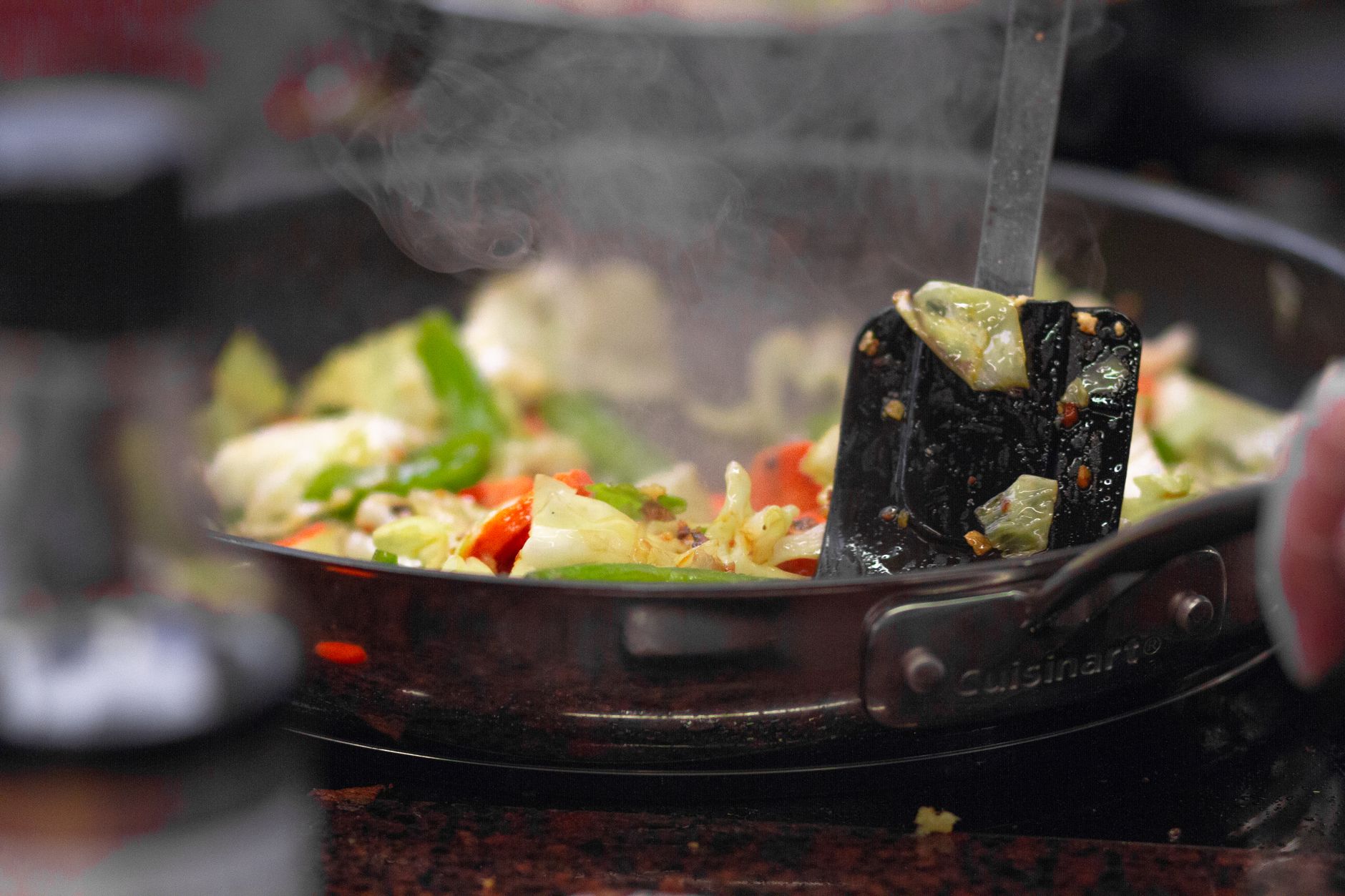
Quick summer recipes that cook in 30 minutes or less range across chilled salads, grilled proteins, no-cook sides, and sheet-pan dinners—each designed to keep your kitchen cool and minimize prep work during hot months. This collection focuses on recipes that work with pantry staples and seasonal produce you likely already have, skipping long braises, multiple pots, or extended oven time.
Table of Contents
- Why 30 Minutes Works for Summer Cooking
- Grilled and Pan-Seared Proteins
- No-Cook and Minimal-Heat Sides
- Sheet-Pan and Skillet One-Dish Dinners
- Seasonal Produce That Cooks Fast
- Flavor Shortcuts That Save Time
- Frequently Asked Questions
Why 30 Minutes Works for Summer Cooking
A half-hour time limit forces you away from slow braises and slow roasts, which means less heat generation and faster meals. Summer cooking succeeds when you use high-heat, fast-cooking methods—grilling, pan-searing, or even no-cook assembly—rather than techniques that turn your kitchen into an oven.
The shorter your recipe, the less time perishables sit out in heat before serving, which matters when temperatures are high and food safety windows tighten. Thirty minutes also pairs well with seasonal produce like zucchini, corn, tomatoes, and stone fruit, all of which benefit from quick, direct cooking that preserves texture and color.
Grilled and Pan-Seared Proteins
Grilling moves heat outside and cooks proteins quickly—chicken breasts, fish fillets, and thin-cut pork chops all cook through in 6 to 12 minutes over moderate heat. If you don't grill, a hot skillet delivers the same speed: a half-inch steak or salmon fillet needs only 3 to 4 minutes per side.
Marinating beforehand (even for 10 minutes while you prep vegetables) adds flavor without extra cooking time. Ground meat works too—formed into patties or kept loose for crumbled dishes like tacos or grain bowls, it finishes in 5 to 8 minutes. The key is choosing proteins that don't need long, moist cooking to become tender; this is not the season for braised short ribs.
No-Cook and Minimal-Heat Sides
Chilled salads, grain bowls, and cold noodle dishes eliminate cooking time entirely and actually taste better when they sit in the fridge beforehand. Coleslaw, cucumber salads, and tomato-based salsas can be prepped and assembled while your protein cooks, then served cold.
Canned or pre-cooked grains (quinoa, rice, lentils) skip the stovetop; combine with roasted or raw vegetables, vinaigrette, and herbs for a complete side in under 10 minutes. Hummus, yogurt-based dips, and quick pickles round out meals without heat. These sides are especially valuable because they let you finish your entire meal without turning on the oven or running the stove longer than needed for the main course.
Sheet-Pan and Skillet One-Dish Dinners
A single hot skillet or sheet pan under the broiler can cook vegetables and protein simultaneously in 20 to 25 minutes total. Toss vegetables with oil and seasoning, nestle fish or thin chicken cutlets on top, and finish under high heat; most vegetables soften as the protein cooks through.
Sheet-pan dinners skip the coordination of cooking sides separately and produce less cleanup—a real advantage on hot days when you want to spend time outside instead of at the sink. These meals work best when components have similar cooking times; pair quick-cooking vegetables like asparagus or green beans with fast proteins like shrimp or thin-sliced fish.
📨 Get Free Recipes Alerts
Free · No spam · Unsubscribe anytime
Seasonal Produce That Cooks Fast
Summer vegetables like zucchini, cherry tomatoes, bell peppers, and corn are already tender and sweet—they need only heat to develop flavor, not extended cooking to soften. Stone fruits (peaches, plums, nectarines) caramelize beautifully in a quick pan sear or on the grill, ready for a side dish or dessert in minutes.
Leafy greens wilt in seconds, so they're ideal for sautéed sides or additions to warm grain bowls. Soft herbs like basil and cilantro stay fresh and bright when added at the end of cooking rather than cooked down, preserving the clean, bright flavors summer cooking asks for.
Flavor Shortcuts That Save Time
Vinaigrettes, soy-based glazes, and citrus marinades build depth without extended cooking; a lime juice and garlic dressing takes 2 minutes to whisk. Store-bought stocks and broths replace long-simmered homemade versions.
High-quality salts, hot peppers, and aromatics (garlic, ginger) do more flavor work than slowly developed layers in a braise. Pre-minced garlic and ginger from jars, jarred pesto, and canned beans are honest shortcuts that don't sacrifice taste. Finishing a dish with fresh herbs, a squeeze of lemon, or a pinch of fleur de sel costs no time but delivers brightness that makes quick cooking feel intentional rather than rushed.
Frequently Asked Questions
Can I prep ingredients earlier in the day for a faster dinner?
Yes. Wash and chop vegetables, prepare marinades, and set up your cooking station before the heat of evening. Keep prepped items in sealed containers in the fridge until you're ready to cook; most hold well for 4 to 6 hours.
What if I don't have a grill?
A hot skillet or cast-iron pan on the stovetop works just as fast, and a broiler can cook entire meals in one go. Both deliver the high heat that makes 30-minute cooking possible.
Are 30-minute recipes cheaper than takeout?
Usually, yes—you're buying raw ingredients rather than markup-priced prepared meals. A grilled chicken breast with seasonal vegetables costs less than restaurant equivalents, though prices vary by location and season.
Do short-cooking recipes work for meal prep?
Most do. Cook and portion components (protein, vegetables, grains) separately, then assemble meals throughout the week; cooked vegetables stay safe in the fridge for 3 to 4 days in airtight containers.