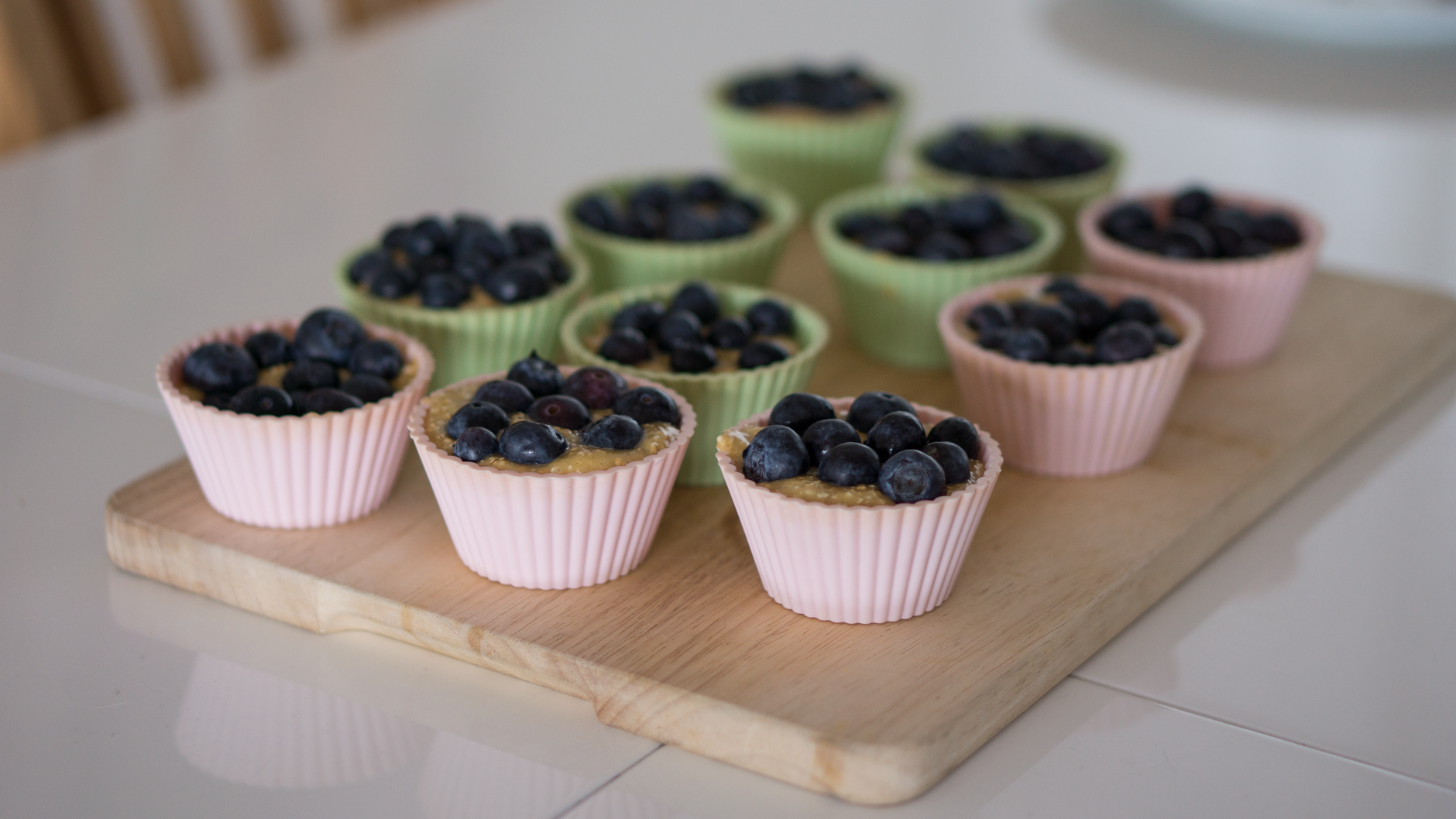
A 60-second blueberry almond smoothie combines frozen blueberries, almond milk, and optional almond butter into a drinkable breakfast or snack in under one minute. The speed depends on your blender's power—high-speed models reach smooth consistency in 30–60 seconds, while standard blenders may need up to one minute, according to Food Network Kitchen's recipe. This smoothie suits readers seeking quick meal prep without sacrificing nutrition. It requires no cooking, minimal cleanup, and ingredients most kitchens already stock.
Table of Contents
- What Goes Into the Blender
- The 60-Second Timeline—With Caveats
- Nutrition and Why Blueberries Matter
- When to Use Fresh Versus Frozen
- Getting Smooth Results Every Time
- Frequently Asked Questions
What Goes Into the Blender
Food Network Kitchen's blueberry almond smoothie calls for one cup of unsweetened almond milk as your liquid base and ½–1 cup of frozen blueberries as the primary fruit. Standard recipes from Minimalist Baker add 1–2 tablespoons of almond butter for richness and protein, with optional greek yogurt or half a banana for extra creaminess.
Frozen berries are preferred for convenience and texture—they chill the smoothie naturally while blending—but frozen and fresh blueberries deliver nearly identical nutrition, so use what you have. Skip added sweeteners if your berries are naturally sweet; add honey or a splash of juice only if the result tastes tart.
The 60-Second Timeline—With Caveats
The title's promise holds true for well-equipped kitchens. High-speed blenders like Vitamix or Ninja reach smoothness in 30–60 seconds, while standard blenders may require the full minute or slightly longer.
The difference matters most if you're blending ice-cold frozen berries straight from the freezer. Total prep time, including pouring and cleanup, runs closer to 5–10 minutes when you factor in gathering ingredients and rinsing the blender. If speed is your priority, pre-measure berries into freezer bags and keep almond milk on the counter the night before.
Nutrition and Why Blueberries Matter
one cup of blueberries delivers 84 calories, 14% of your daily recommended fiber, and 24% of daily vitamin C, according to nutritional research on blueberry smoothies. Almond milk contributes calcium and vitamin E, adding mineral density beyond the fruit base.
The real nutritional story lies in anthocyanins, the polyphenols that give blueberries their blue color. These compounds provide antioxidant benefits and may help reduce risk of heart disease and cognitive decline, though human studies remain limited. Frozen blueberries retain these compounds as effectively as fresh ones.
When to Use Fresh Versus Frozen
Frozen berries excel for smoothies because they blend easily, chill your drink instantly, and cost less year-round. Fresh blueberries work equally well nutritionally if you freeze them yourself first—they'll blend more smoothly and won't water down the smoothie as they thaw.
📨 Get Free Recipes Alerts
Free · No spam · Unsubscribe anytime
Convenience typically wins: buy frozen and keep a bag ready in your freezer. To vary the basic recipe, swap half the blueberries for raspberries or blackberries, add a handful of spinach (undetectable in taste), or substitute half the almond milk with coconut milk for tropical flavor. Greek yogurt adds creaminess and protein without changing blend time.
Getting Smooth Results Every Time
Layer ingredients strategically: liquid first, then frozen berries, then almond butter or yogurt on top. This order helps the blender pull ingredients down evenly.
If your blender struggles, let frozen berries thaw for 2–3 minutes at room temperature, which softens them without making them mushy. Drink immediately after blending—these smoothies separate as they sit. If you need to prep ahead, freeze the blended smoothie in an ice-pop mold or store the dry blueberries separately and blend fresh each morning, since freezing extends shelf life by several months in an airtight container.
Frequently Asked Questions
Can I use canned or dried blueberries instead of frozen?
Canned blueberries in syrup will work but add unexpected sugar; drain them well. Dried blueberries won't blend smoothly and will create a grainy texture—stick with frozen or fresh.
Does this smoothie keep overnight?
Smoothies separate quickly as liquids settle and berries oxidize, so blend fresh when possible. You can freeze the blended smoothie and thaw it, though texture changes slightly.
What if my blender is older or lower-power?
Standard blenders may need up to one minute instead of 60 seconds, and frozen berries should thaw slightly (2–3 minutes) before blending. Add liquid gradually if the blender stalls.
Is almond butter necessary?
No. Almond butter adds creaminess and protein, but the smoothie works without it—just blend fruit and milk. Greek yogurt or half a banana serve the same purpose if you prefer.
You Might Also Like
- 60-Second Peanut Butter Cocoa Smoothie Recipe
- 60-Second Everything Bagel Egg Salad Recipe
- 1-Minute Blender Strawberry Banana Smoothie Recipe